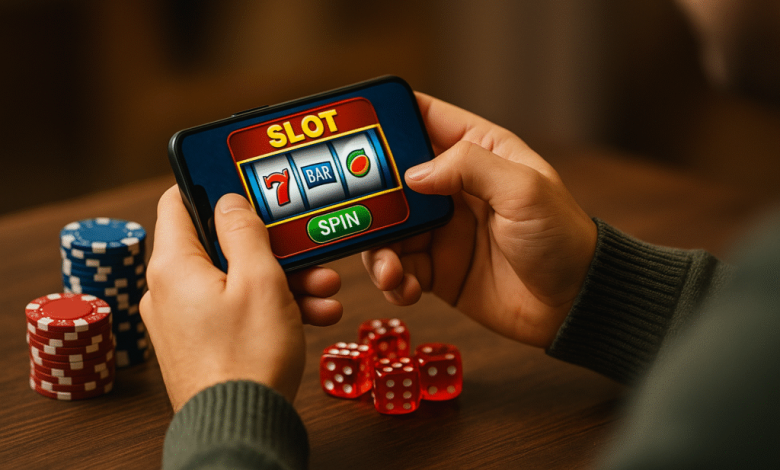
Visual feedback provides immediate confirmation that player actions have been registered successfully in gaming systems. Button presses, bet adjustments, and game selections need clear acknowledgement to prevent repeated inputs or confusion about system status. The feedback mechanisms range from colour changes and animations to highlighting effects and state transitions. Mrgroup44 implement various confirmation methods to ensure that players their commands are executed properly before game outcomes begin processing. Without these visual cues, players face uncertainty about whether clicks are registered, leading to frustration and potential input errors. Effective feedback systems respond instantaneously to touches or clicks, creating seamless interaction flows that feel natural and responsive.
Button response indicators
Interactive elements change appearance immediately upon activation to confirm system recognition. Spin buttons momentarily darken, enlarge slightly, or display pressed states when clicked or tapped. These instant visual transformations communicate that input registered before any game processing begins. The confirmation happens within milliseconds, maintaining interaction continuity that prevents perceived lag between action and response. Different button states use distinct visual styling where inactive buttons appear greyed or faded, active buttons show full colour saturation, and pressed buttons display altered shading or borders. These state variations provide constant visual feedback about button availability and current interaction status throughout gaming sessions.
Bet modification confirmation
Stake adjustment controls display updated values prominently when players change bet amounts. Number displays flash briefly, change colour temporarily, or animate transitions between old and new values when modifications occur. The visual emphasis ensures players notice that bet changes took effect before initiating spins with potentially unintended wager amounts. Some interfaces highlight entire bet display areas with temporary borders or background colour shifts that draw attention to successful adjustments. Increment and decrement arrows respond with press animations matching their directional functions, providing physical feedback metaphors that mirror real button behaviour.
Selection highlighting systems
Game menus and option lists illuminate selected items through background colours, borders, or icons that distinguish chosen elements from alternatives. Casino lobbies highlight game tiles when hovered over or tapped, using elevation effects, border glows, or opacity changes that confirm cursor positions before selection commits. Multi-option settings panels display checkmarks, filled circles, or colour-coded backgrounds on active choices while leaving inactive options visually subdued. The contrast between selected and unselected states creates clear hierarchies that communicate current system configurations at a glance.
Progress and loading feedback
System processing states are displayed through progress indicators, loading animations, and status messages that confirm operations are underway. Spinning reel animations demonstrate that game outcomes are being determined following spin button presses. Loading wheels or progress bars appear during game launches, showing percentages or estimated remaining times that confirm systems are working rather than frozen. Transaction confirmations display checkmarks or success messages following bet placements, withdrawals, or deposit completions.
Error state communication
Invalid inputs trigger distinct visual feedback that differs from successful confirmation patterns. Red highlighting, warning icons, or shake animations indicate rejected actions or unavailable options. Error messages overlay gameplay areas with clear text explanations accompanying visual rejection signals. Disabled buttons remain visually distinct through reduced opacity or grayscale rendering that preemptively communicates unavailability before players attempt interaction. Visual feedback creates bidirectional communication where player inputs receive immediate system acknowledgement through coordinated visual responses. The confirmation mechanisms build confidence in interface responsiveness while preventing input errors through clear state communication.