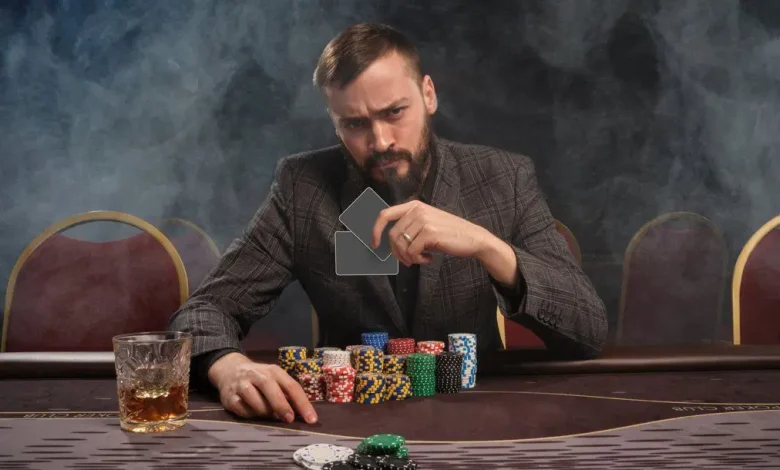
Bluffing is one of the most fascinating aspects of poker, often portrayed as the ultimate weapon of confident players. In reality, bluffing is a situational tool, not a constant strategy. Understanding when to bluff—and when to avoid it—can be the difference between steady profits and costly mistakes.
What Is Bluffing in Poker?
Bluffing occurs when a player represents a stronger hand than they actually hold, aiming to force opponents to fold better hands. A successful bluff wins the pot without needing the best cards.
Bluffing is effective only when supported by logic, timing, and opponent awareness.
Why Bluffing Is Often Misunderstood
Many players overestimate the power of bluffing due to media portrayals and memorable televised hands. This leads to excessive bluffs that are easily detected.
Common misunderstandings include:
-
Believing bluffing works against all opponents
-
Ignoring board texture and betting patterns
-
Assuming confidence alone guarantees success
Bluffing is not about bravado—it is about credibility.
When Bluffing Works in Poker
Bluffing is most successful under specific conditions where your story makes sense and opponents are capable of folding.
Against the Right Opponents
Bluffs work best against thinking players who understand hand ranges and can let go of marginal holdings. Tight or cautious opponents are more likely to fold.
When the Board Favors Your Story
A good bluff aligns with the community cards. For example:
-
Overcards appearing on later streets
-
Completed straights or flushes
-
Scare cards that weaken opponents’ ranges
If the board supports a strong hand, your bluff becomes believable.
When You Have Position
Acting last gives you valuable information about opponents’ actions. Bluffing from late position allows you to:
-
Gauge weakness
-
Control pot size
-
Apply pressure effectively
Position increases both bluff success and damage control.
In Smaller Pots
Bluffing is more effective in moderate-sized pots. Large pots often attract curiosity and calls, especially from players already committed.
With a Consistent Betting Pattern
Bluffs succeed when they mimic how you would bet with a strong hand. Sudden or unusual bets raise suspicion.
When Bluffing Fails
Even well-planned bluffs can fail, but some situations almost guarantee failure.
Against Calling Stations
Players who call frequently and rarely fold are poor bluff targets. They prioritize curiosity over logic and will often call with weak hands.
On Draw-Heavy Boards
Boards with many possible draws encourage calls. Opponents may continue with:
-
Flush draws
-
Straight draws
-
Combination draws
Bluffing into multiple draws significantly lowers success rates.
In Multi-Way Pots
The more players in a hand, the less likely everyone will fold. Bluffing works best heads-up, where pressure is concentrated.
When Emotion Takes Over
Bluffing out of frustration or desperation—often called tilt—leads to predictable and costly mistakes.
Without a Backup Plan
Bluffs fail when players don’t consider future actions. Good bluffs often include:
-
Equity from draws
-
Opportunities to improve
-
Clear plans for later betting rounds
Semi-Bluffing: A Smarter Approach
A semi-bluff involves betting with a drawing hand that can improve if called. This strategy offers two ways to win:
-
Opponents fold immediately
-
You improve to a strong hand later
Semi-bluffs are generally safer and more profitable than pure bluffs.
Bluff Frequency and Balance
Successful players bluff at controlled frequencies. Bluffing too often makes you predictable, while bluffing too rarely limits your aggression.
Balanced play involves:
-
Mixing value bets and bluffs
-
Adjusting frequency based on opponent tendencies
-
Remaining unpredictable but logical
Key Bluffing Tips for Long-Term Success
-
Bluff less at lower stakes
-
Choose opponents carefully
-
Let the board guide your decisions
-
Focus on credibility, not courage
-
Avoid bluffing out of emotion
Bluffing should enhance your strategy, not define it.
FAQs About Bluffing in Poker
Is bluffing necessary to win at poker?
Yes, but it is not required in every session. Solid fundamentals can be profitable even with minimal bluffing.
How often should I bluff in poker?
There is no fixed number. Bluff frequency should depend on opponents, position, and table dynamics.
Are bluffs more effective online or live?
Bluffs can work in both formats, but online players rely more on betting patterns, while live players also observe physical behavior.
What is the biggest bluffing mistake beginners make?
Bluffing too often and against the wrong opponents.
Can you bluff successfully without position?
Yes, but it is riskier and requires stronger board support.
What’s the difference between a bluff and a semi-bluff?
A bluff has little chance to win if called, while a semi-bluff still has equity through potential improvement.
Should I ever bluff with a weak hand?
Only if the situation strongly favors it and you have a clear plan for future betting.